Yomitan Village Guide Home

Category

Arts & Culture

11 articles

Why Yomitan Feels More Welcoming to Americans Than Half the Cities Back Home

Why Yomitan Feels More Welcoming to Americans Than Half the Cities Back Home

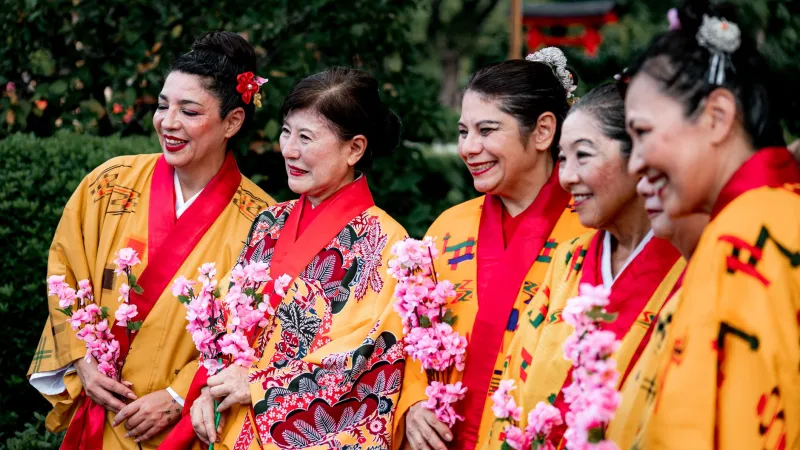
Yomitan is about as Japanese as a place gets — deep cultural traditions, a language most visitors can't read, and a community identity shaped by centuries of local history. So why do so many Americans report feeling less like outsiders here than they do in their own country's major cities? The answer is stranger and more interesting than you'd expect.

Once Is Never Enough: The Strange Pull That Keeps Drawing Americans Back to Yomitan

Once Is Never Enough: The Strange Pull That Keeps Drawing Americans Back to Yomitan

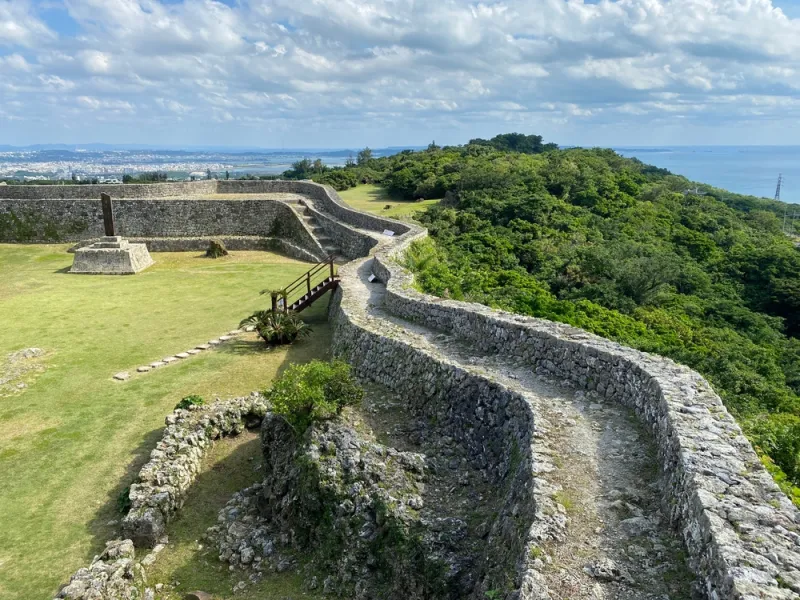
Something about Yomitan gets under your skin in a way that a week in Tokyo or a resort stay in Naha simply doesn't. Visitors who swore they were just passing through end up booking return flights before they've even unpacked at home. We dug into the psychology—and the lived experiences—behind what locals are quietly calling the Yomitan pull.

After Dark in Yomitan: The Village's Quieter, Realer Night Scene

After Dark in Yomitan: The Village's Quieter, Realer Night Scene

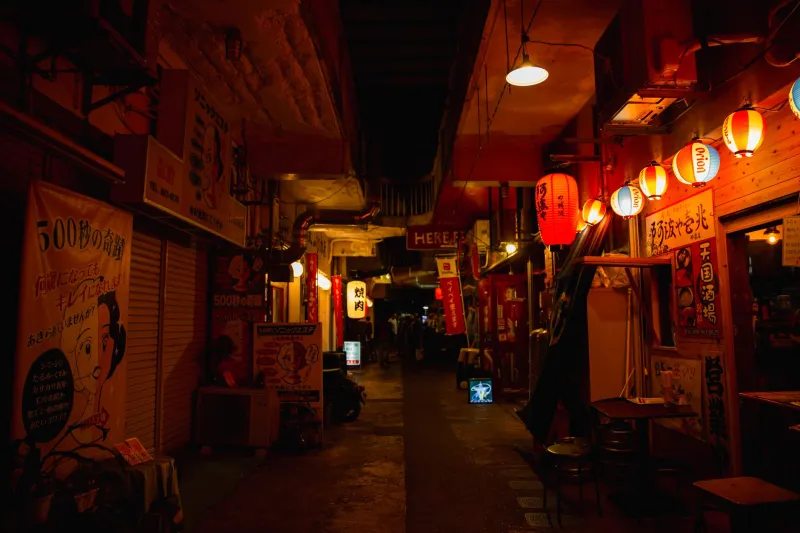
Yomitan after sunset isn't loud or flashy — and that's exactly the point. From low-lit izakayas where the sanshin comes out after midnight to community festivals that light up the beach without a tourist bus in sight, the village has a genuinely distinct after-dark rhythm. Here's how to find it.

A Hungry Traveler's Guide to Eating Like a Yomitan Local

A Hungry Traveler's Guide to Eating Like a Yomitan Local

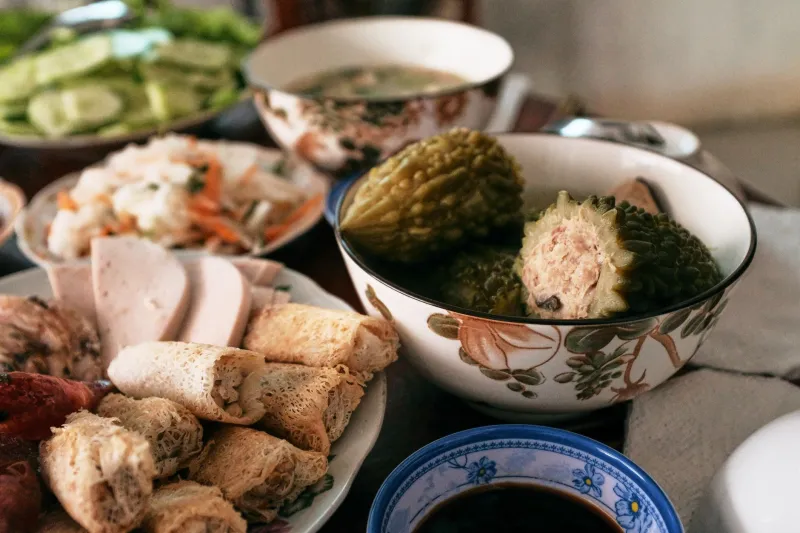
Yomitan's food scene doesn't announce itself. There are no Michelin stars, no celebrity chef pop-ups, no Instagram-engineered plating. What you get instead is something rarer: a living culinary tradition shaped by geography, history, and grandmothers who never wrote their recipes down.